Limited Quantities - Reserve Now For Fall


Blackhaw Viburnum Bush
Blackhaw Viburnum Bush
Couldn't load pickup availability
Viburnum prunifolium
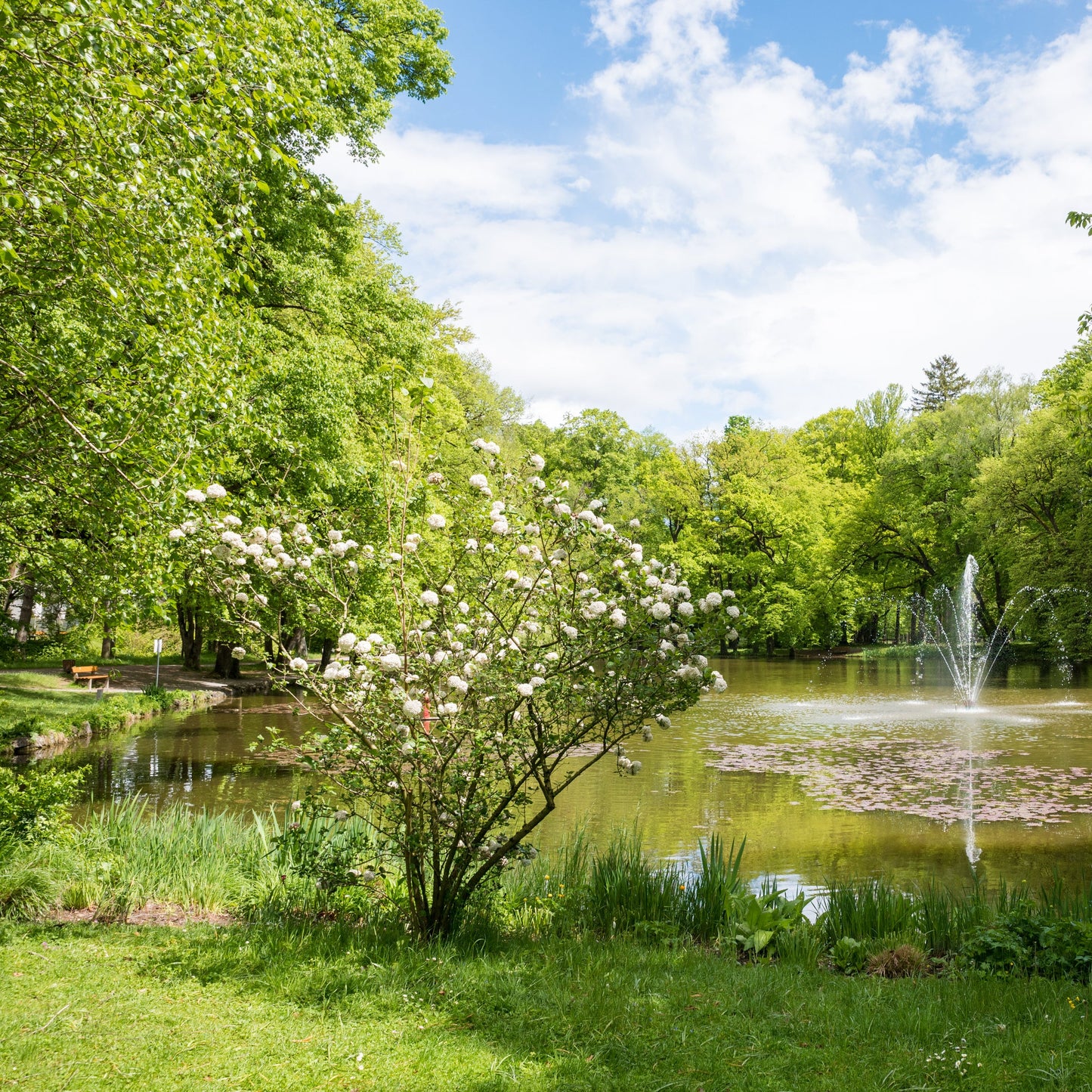
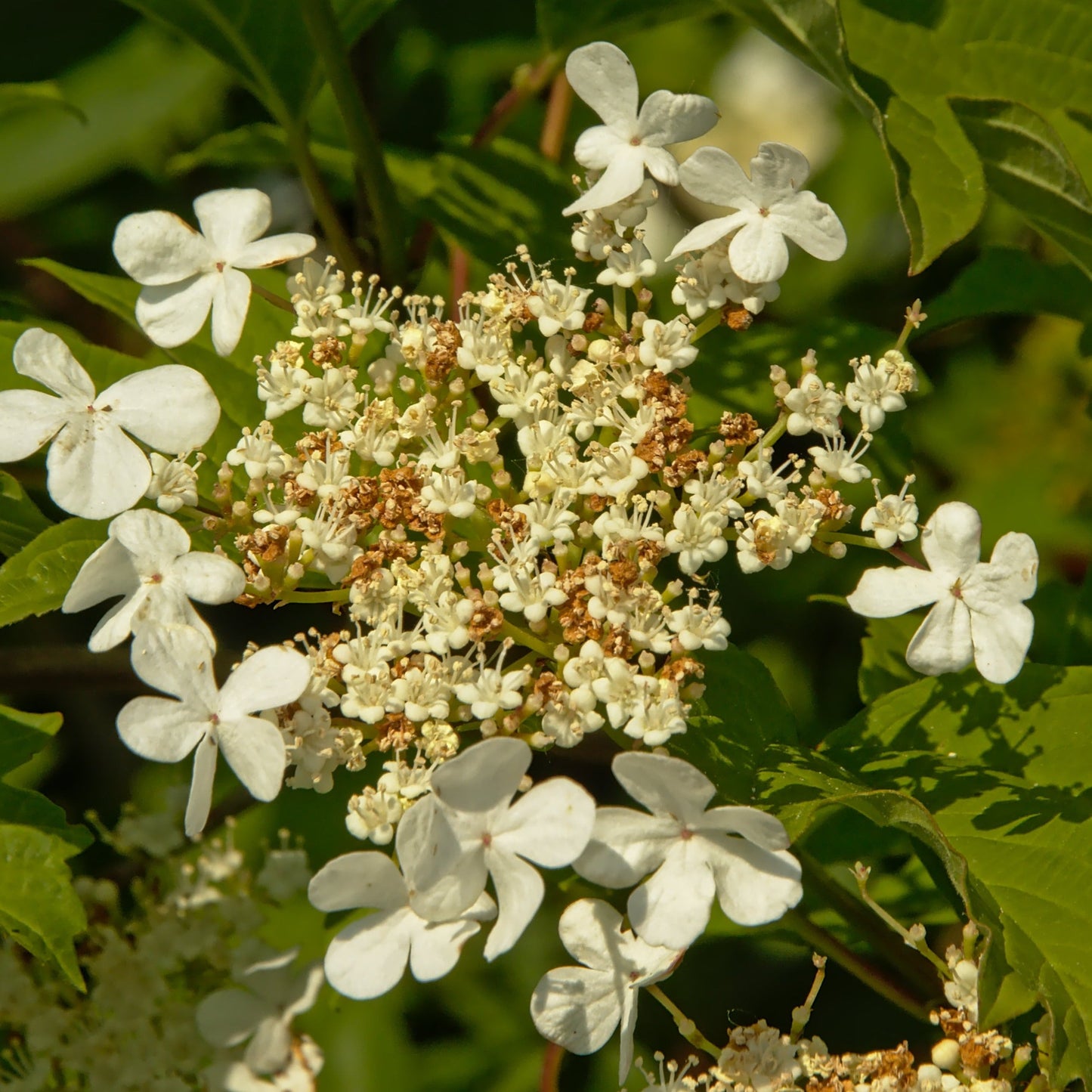
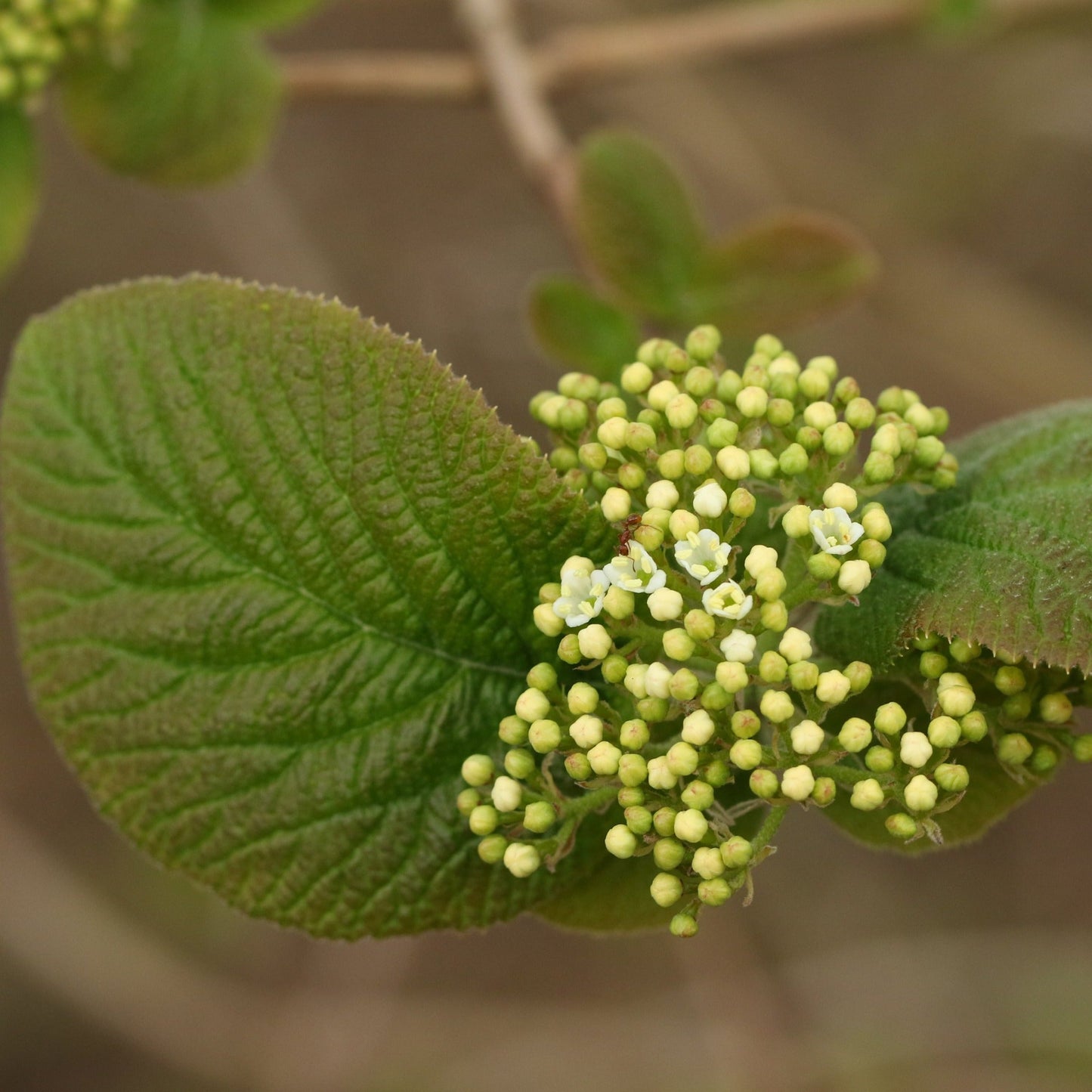
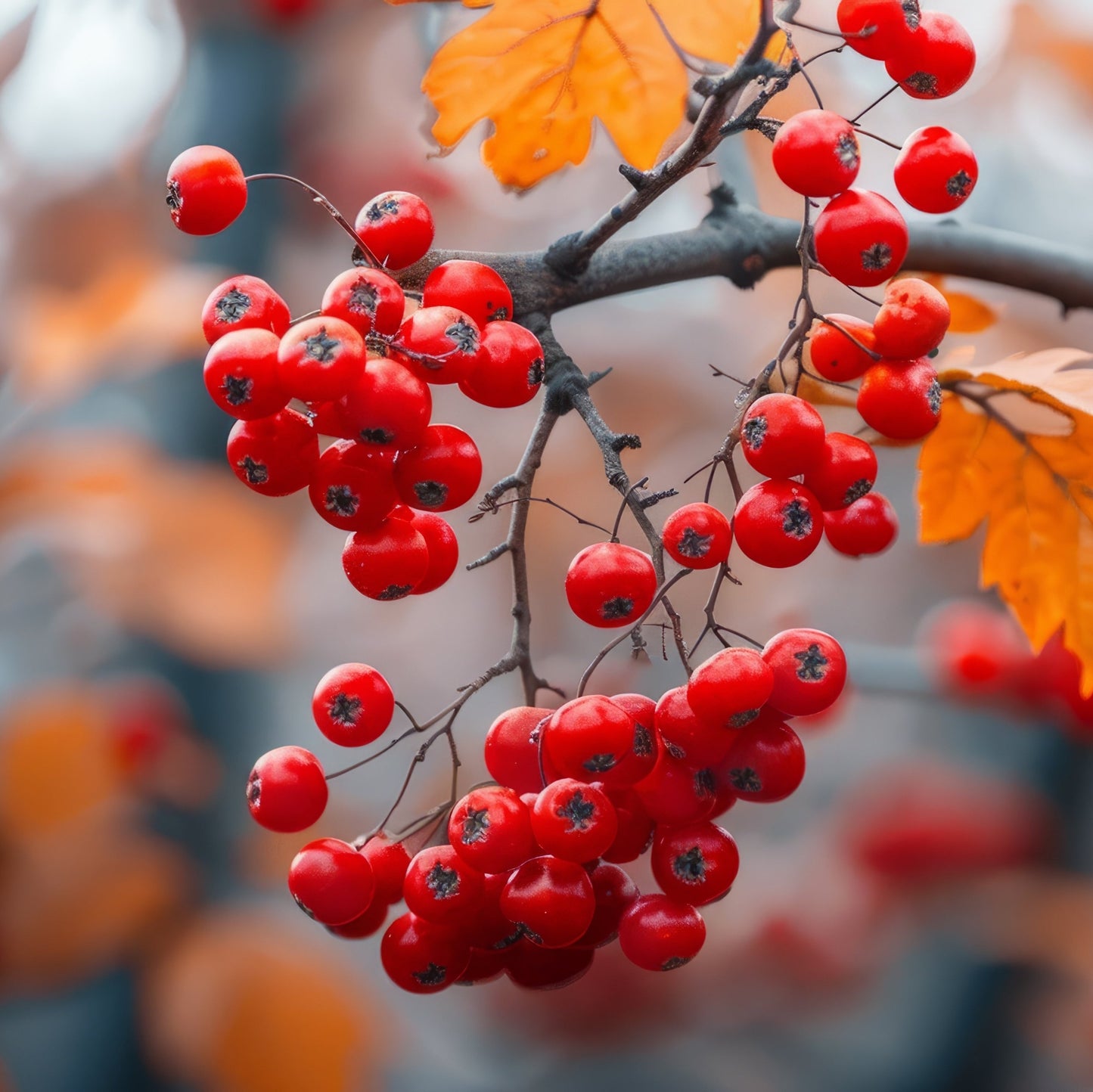
The Blackhaw Viburnum is a hardy, multi-season deciduous shrub or small tree, known for its fragrant white flowers in spring, edible blue-black berries in fall, and vibrant red to purple autumn foliage. This low-maintenance, adaptable plant is ideal for wildlife gardens, privacy hedges, and ornamental landscaping. With its strong tolerance for various soil types and environmental conditions, the Blackhaw Viburnum is a versatile and attractive addition to any landscape.
Blackhaw Viburnum Bush
| Attribute | Details |
|---|---|
| Variety | Rooted |
| Botanical Name | Viburnum prunifolium |
| Common Names | Blackhaw Viburnum, Sweet Haw, Stag Bush |
| Mature Height | 12-20 feet |
| Mature Width | 8-15 feet |
| Growth Rate | Slow to Moderate (1-2 feet per year) |
| Lifespan | 50+ years |
| USDA Hardiness Zones | 3-9 |
| Sun Preference | Full sun to partial shade |
| Soil Type | Well-drained, loamy, sandy, or slightly clay soils |
| Soil pH | Slightly acidic to neutral (6.0-7.5) |
| Water Needs | Moderate; drought-tolerant once established |
| Flowering Season | Spring (April-May) |
| Flower Color | Creamy white clusters |
| Fruit | Edible blue-black berries (fall) |
| Fall Foliage | Red, purple, and orange hues |
| Wildlife Attraction | Birds, bees, butterflies, deer, small mammals |
| Growth Habit | Upright, multi-stemmed shrub or small tree |
| Self-Pollinating? | Yes, but better fruit production with multiple plants |
| Landscape Uses | Privacy hedges, windbreaks, wildlife gardens, erosion control, specimen planting |
| Maintenance Level | Low |
Environmental Benefits
🐝 Supports Pollinators & Wildlife – Produces nectar-rich flowers for bees and butterflies and nutrient-rich berries for birds and small mammals.
🌱 Erosion Control & Soil Stabilization – Thrives in varied soil conditions, making it excellent for stabilizing slopes and preventing erosion.
🌳 Air Purification & Carbon Sequestration – Helps improve air quality while capturing carbon dioxide.
💧 Drought-Tolerant & Adaptable – Once established, it tolerates dry conditions, making it a great option for sustainable landscapes.
Pros & Cons
| Pros | Cons |
|---|---|
| Attracts pollinators, songbirds, and wildlife | Can spread through suckers if not maintained |
| Beautiful spring flowers and vibrant fall foliage | Needs consistent moisture during establishment |
| Edible berries that can be used for fresh eating, jams, and baking | Best fruit production occurs when multiple plants are grown |
| Excellent for privacy hedges and ornamental landscaping | May require occasional pruning to maintain shape |
| Resistant to most pests and diseases | Slow to moderate growth rate, requiring patience for full maturity |
Planting & Care Guide
- Spacing: Plant 8-15 feet apart for hedges or 12-20 feet apart for individual plants
- Soaking: Soak bare root in water for 6-12 hours before planting
- Planting Depth: Dig a hole twice the width of the root system, ensuring roots are level with the soil surface
- Mulching: Apply a 2-3 inch layer of mulch to retain moisture and suppress weeds
- Pruning: Prune in late winter or early spring to shape and remove dead wood
- Fertilization: Use a balanced fertilizer in early spring to promote strong growth and flowering
- Watering: Water regularly until established, then reduce frequency as the plant matures
The Blackhaw Viburnum is a resilient, multi-functional shrub that provides privacy, wildlife support, and stunning seasonal beauty. Whether planted for hedging, erosion control, or as a striking specimen plant, this long-lived, low-maintenance viburnum is an exceptional addition to any outdoor space.
Share