

Bare Root Plants.
Better Roots. Better Results.

Featured Products
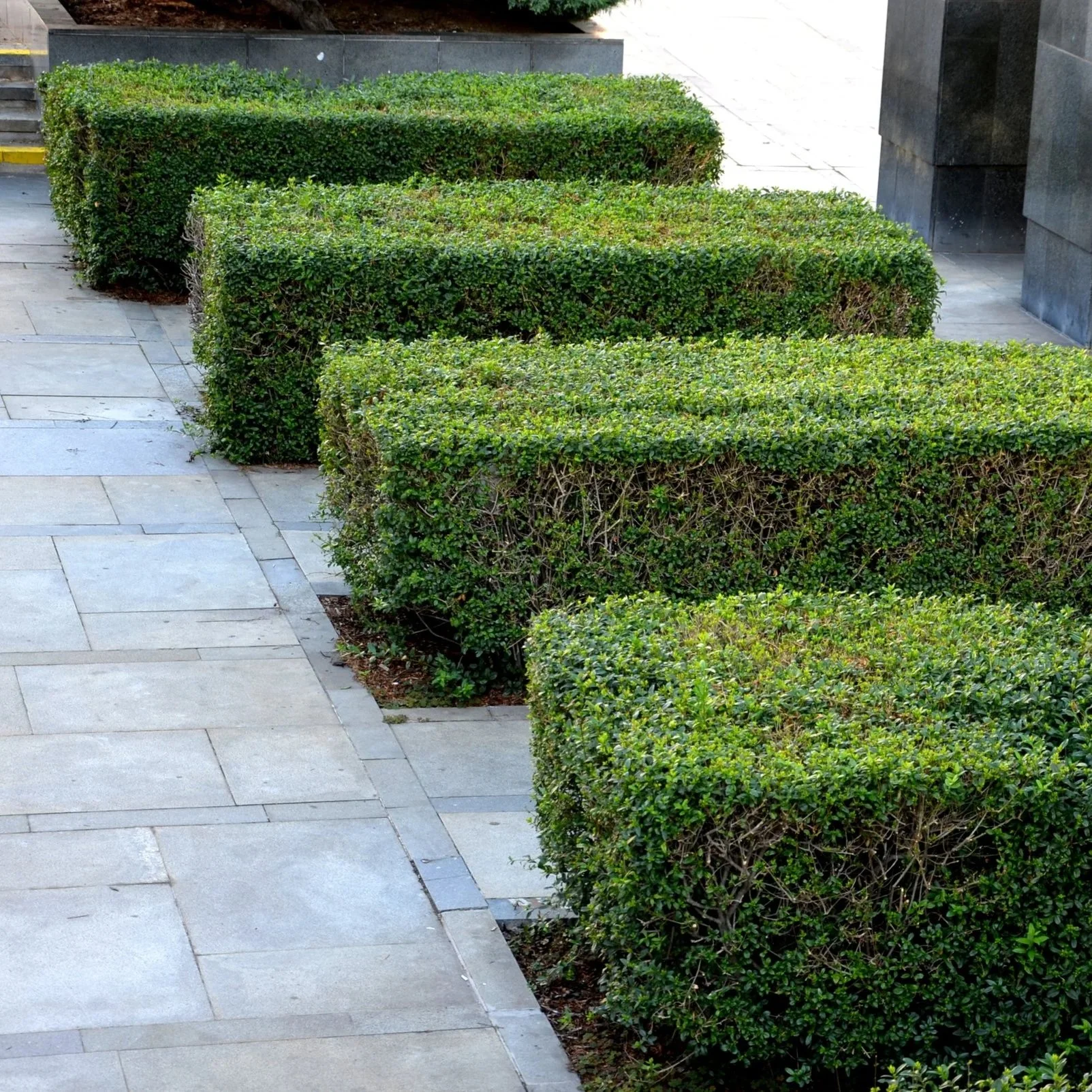
Ligustrum × ibolium
The Northern Privet Hedge (Bare Root) is a fast-growing, semi-evergreen hedge shrub known for its dense foliage, fragrant white flowers, and excellent adaptability. With rapid growth, high tolerance to urban pollution, and easy maintenance, this hedge is an ideal choice for privacy screens, windbreaks, and formal landscaping. It can be shaped into a neat hedge or left to grow naturally, providing year-round greenery and structure to gardens and landscapes.
Northern Privet Hedge (Bare Root) Overview
| Attribute | Details |
|---|---|
| Variety | Bare Root - Dormant |
| Botanical Name | Ligustrum × ibolium |
| Common Names | Northern Privet, Hybrid Privet |
| Mature Height | 10-12 feet |
| Mature Width | 4-8 feet |
| Growth Rate | Fast (2-3 feet per year) |
| Lifespan | 30-50 years |
| USDA Hardiness Zones | 4-7 |
| Sun Preference | Full sun to partial shade |
| Soil Type | Well-drained, loamy, sandy, or clay soils |
| Soil pH | Slightly acidic to neutral (5.5-7.5) |
| Water Needs | Low to moderate; drought-tolerant once established |
| Flowering Season | Late spring to early summer |
| Flower Color | White, fragrant clusters |
| Wildlife Attraction | Bees, butterflies, birds |
| Growth Habit | Upright, dense, multi-stemmed shrub |
| Self-Pollinating? | Yes |
| Landscape Uses | Privacy hedges, windbreaks, topiary, foundation planting, erosion control |
| Maintenance Level | Low |
Environmental Benefits
🌿 Windbreak & Privacy Screen – Forms a dense natural barrier, providing excellent wind protection and noise reduction.
🐝 Pollinator & Wildlife Friendly – Produces fragrant white flowers that attract bees and butterflies, while birds enjoy the small black berries.
💨 Air Purification & Soil Stabilization – Helps filter pollutants and improve air quality, while its deep roots prevent soil erosion.
💧 Drought-Tolerant & Hardy – Once established, it requires minimal watering and is highly resistant to urban pollution and harsh conditions.
Pros & Cons
| Pros | Cons |
|---|---|
| Fast-growing hedge option for quick privacy and wind protection | Can be invasive in some areas if not maintained |
| Tolerates drought, pollution, and various soil types | Requires occasional pruning to maintain shape and density |
| Resistant to pests and diseases | Produces small berries that may be toxic if ingested |
| Fragrant white flowers provide seasonal interest | Some may find the flower fragrance too strong |
| Low-maintenance and adaptable | Needs regular trimming if used as a formal hedge |
Planting & Care Guide (Bare Root)
- Spacing: Plant 2-3 feet apart for a dense hedge or 4-6 feet apart for a more natural screen
- Soaking: Soak bare root in water for 6-12 hours before planting
- Planting Depth: Dig a hole twice the width of the root system, ensuring roots are level with the soil surface
- Mulching: Apply a 2-3 inch layer of mulch to retain moisture and suppress weeds
- Pruning: Trim 2-3 times per year to maintain shape and encourage dense growth
- Fertilization: Apply a balanced fertilizer in early spring to encourage healthy foliage
- Watering: Water regularly during the first growing season, then reduce as the hedge becomes established
The Northern Privet Hedge (Bare Root) is a versatile, fast-growing, and low-maintenance solution for homeowners and landscapers looking to create a lush, green privacy screen or decorative border. With its dense foliage, adaptability, and easy upkeep, this hedge is an ideal long-term investment for enhancing any outdoor space.
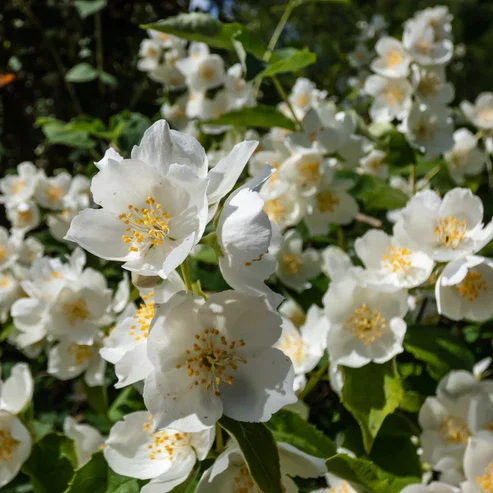
Philadelphus coronarius
The Sweet Mockorange (Philadelphus coronarius) is a beloved, fragrant flowering shrub that lives up to its name—filling gardens with the sweet citrus scent of orange blossoms in late spring. This bare root beauty produces clouds of creamy-white blooms atop an arching, upright habit, adding classic elegance to borders, foundations, and cottage gardens.
Hardy, low-maintenance, and pollinator-friendly, the Sweet Mockorange is a timeless favorite with old-fashioned charm and modern versatility. Plant it for its scent, stay for its impact.
Sweet Mockorange
| Attribute | Details |
|---|---|
| 🌱 Variety | Rooted |
| 🌿 Botanical Name | Philadelphus coronarius |
| 🏷️ Common Names | Sweet Mockorange, English Dogwood |
| 🌳 Mature Height | 6–10 feet |
| 🌐 Mature Width | 6–8 feet |
| 📈 Growth Rate | Moderate to fast (1–2.5 ft/year) |
| ⏳ Lifespan | 20–30 years |
| 🧊 USDA Zones | 4–8 |
| ☀️ Sun Preference | Full sun to partial shade (more blooms in full sun) |
| 🧱 Soil Type | Well-drained loam, clay, or sandy soils |
| ⚖️ Soil pH | Slightly acidic to neutral (6.0–7.5) |
| 💧 Water Needs | Moderate; prefers consistent moisture |
| 🍃 Foliage Color | Medium green (spring to fall) |
| 🌼 Flower Color | Creamy white |
| ⏰ Bloom Time | Late spring to early summer |
| 👃 Fragrance | Strong citrusy-sweet scent |
| 🐝 Wildlife Attraction | Bees, butterflies, pollinators |
| 🌿 Growth Habit | Upright, arching, multi-stemmed |
| 🌸 Self-Pollinating? | Yes |
| ↔️ Spacing | 4–6 ft for hedge; 6–8 ft for standalone |
| 🏡 Landscape Uses | Borders, walkways, cottage gardens, foundations |
| 🧹 Maintenance Level | Low to moderate |
Environmental Benefits
🌼 Fills the air with a lush citrus aroma in late spring
🐝 Attracts bees, butterflies, and helpful pollinators
🌆 Adapts to urban environments and poor soils
🌎 Provides a low-maintenance, eco-friendly option for seasonal beauty
Pros & Cons
| ✅ Pros | ⚠️ Cons |
|---|---|
| 🌸 Highly fragrant blooms bring classic garden charm | ⏳ Short bloom season; flowers last just a few weeks |
| 🐞 Pollinator-friendly and great for biodiversity | ✂️ Needs post-bloom pruning to maintain shape |
| 💧 Tolerates brief droughts once established | 🌿 Deciduous; bare in winter months |
| 🧊 Cold hardy and adaptable in USDA zones 4–8 | 🌱 May produce root suckers if not maintained |
| 🌞 Performs well in full sun or partial shade | 🪻 Non-evergreen; lacks winter interest |
Planting & Care Guide
🛁 Soak roots for 6–12 hours before planting
🕳️ Dig a hole 2× wider than the root system; plant crown at soil level
🌾 Add 2–3 inches of mulch to conserve moisture and block weeds
💦 Water deeply once a week during the first growing season
✂️ Prune just after flowering to shape and encourage new growth
🌼 Apply a balanced fertilizer in early spring if desired
The Sweet Mockorange is a nostalgic, show-stopping shrub that offers maximum sensory payoff with minimal upkeep. From its sweet scent to its romantic flowers, it’s the perfect plant to anchor a garden with elegance and life.
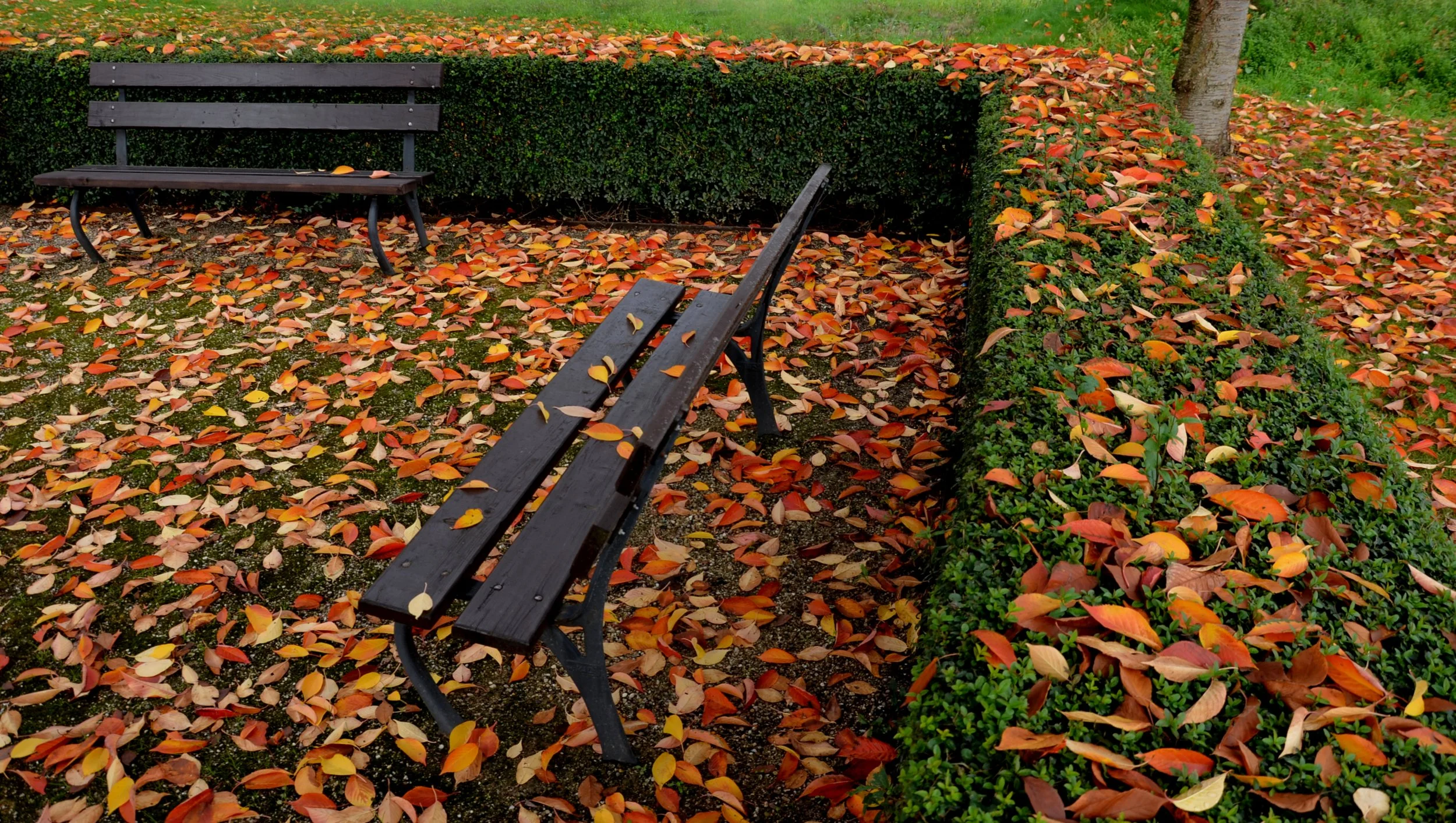
Ligustrum x hills
The Hill's Privet Hedge is an ornamental product , a nursery-grown plant sold for landscaping purposes only. is a dense, fast-growing, semi-evergreen hedge shrub known for its rich green foliage, upright growth habit, and exceptional adaptability. This low-maintenance and hardy shrub is ideal for privacy screens, windbreaks, and formal landscapes. With its strong resistance to pests, drought tolerance, and ability to thrive in various soil conditions, the Hill Privet is an excellent choice for both urban and suburban environments.
Hill's Privet Hedge
| Attribute | Details |
|---|---|
| Variety | Rooted - Dormant |
| Botanical Name | Ligustrum ‘Hillii’ |
| Common Names | Hill Privet, Common Privet, European Privet |
| Mature Height | 8-12 feet |
| Mature Width | 4-6 feet |
| Growth Rate | Fast (2-3 feet per year) |
| Lifespan | 30-50 years |
| USDA Hardiness Zones | 4-8 |
| Sun Preference | Full sun to partial shade |
| Soil Type | Well-drained, loamy, sandy, or clay soils |
| Soil pH | Slightly acidic to neutral (5.5-7.5) |
| Water Needs | Low to moderate; drought-tolerant once established |
| Flowering Season | Late spring to early summer |
| Flower Color | Small white flowers (not as showy as other privets) |
| Wildlife Attraction | Bees, butterflies, birds |
| Growth Habit | Upright, dense, multi-stemmed shrub |
| Self-Pollinating? | Yes |
| Landscape Uses | Privacy hedges, windbreaks, topiary, foundation planting, erosion control |
| Maintenance Level | Low to moderate |
Environmental Benefits
🌱 Erosion Control & Soil Stabilization – Thrives in varied soil conditions, making it ideal for stabilizing slopes and preventing soil erosion.
🐝 Pollinator & Wildlife Friendly – While it produces small, inconspicuous flowers, it attracts bees and butterflies, and its berries provide food for birds.
💨 Wind & Noise Barrier – Forms a thick hedge, making it effective for blocking wind, reducing noise, and increasing privacy.
💧 Drought & Urban Tolerance – Once established, it requires minimal watering and is highly resistant to urban pollution.
Pros & Cons
| Pros | Cons |
|---|---|
| Fast-growing hedge option for quick privacy | Can be invasive in some regions if not maintained |
| Tolerates drought, pollution, and various soil types | Requires occasional pruning to maintain shape and density |
| Highly resistant to pests and diseases | Produces small berries, research is recommended before planting in areas accessible to pets or children |
| Low-maintenance and adaptable to different environments | Some may find the flower fragrance too strong |
| Ideal for privacy screens and windbreaks | Needs regular trimming if used as a formal hedge |
Planting & Care Guide (Bare Root)
- Spacing: Plant 2-3 feet apart for a dense hedge or 4-6 feet apart for a more natural screen
- Soaking: Soak bare root in water for 6-12 hours before planting
- Planting Depth: Dig a hole twice the width of the root system, ensuring roots are level with the soil surface
- Mulching: Apply a 2-3 inch layer of mulch to retain moisture and suppress weeds
- Pruning: Trim 2-3 times per year to maintain shape and encourage dense growth
- Fertilization: Apply a balanced fertilizer in early spring to encourage healthy foliage
- Watering: Water regularly during the first growing season, then reduce as the hedge becomes established
The Hill Privet Hedge (Bare Root) is a fast-growing, low-maintenance hedge shrub that provides year-round greenery, privacy, and environmental benefits. Whether used as a formal hedge, windbreak, or erosion control plant, this hardy and adaptable shrub is an excellent choice for residential and commercial landscapes.
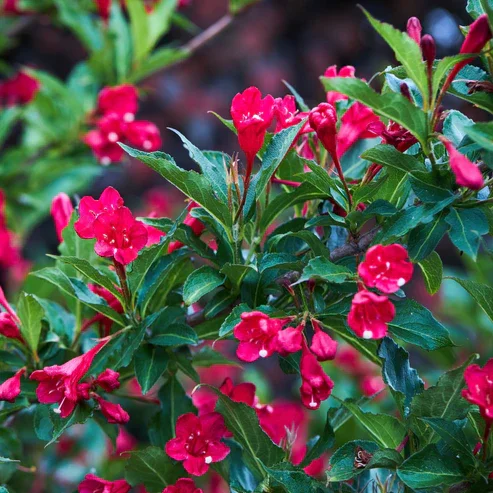
Weigela florida 'Red Prince'
The Red Prince Weigela (Weigela florida 'Red Prince') is a stunning, deciduous flowering shrub prized for its deep red, trumpet-shaped blooms that attract hummingbirds and butterflies in droves. Known for its re-blooming nature, this shrub adds long-lasting color and charm to borders, foundations, and cottage-style landscapes.
With a naturally rounded habit and dense branching, it makes a bold statement in any garden. Easy to grow, low maintenance, and highly adaptable, the Red Prince Weigela is a must-have for vibrant, pollinator-friendly landscapes.
Red Prince Weigela (Bare Root) Overview
| Attribute | Details |
|---|---|
| Variety | Bare Root |
| Botanical Name | Weigela florida 'Red Prince' |
| Common Names | Red Prince Weigela |
| Mature Height | 4–6 feet |
| Mature Width | 4–6 feet |
| Growth Rate | Moderate to Fast (1–2+ feet per year) |
| Lifespan | 20–30 years |
| USDA Zones | 4–8 |
| Sun Preference | Full sun to partial shade (best bloom in full sun) |
| Soil Type | Well-drained loamy, sandy, or clay soils |
| Soil pH | Slightly acidic to neutral (6.0–7.0) |
| Water Needs | Moderate; prefers consistent moisture |
| Foliage Color | Medium green; no significant fall color |
| Flower Color | Bright red |
| Bloom Time | Late spring to early summer; sporadic re-bloom in fall |
| Wildlife Attraction | Hummingbirds, butterflies, bees |
| Growth Habit | Rounded, dense, multi-stemmed shrub |
| Self-Pollinating? | Yes |
| Spacing | 3–5 feet for borders; 5–7 feet for specimen plantings |
| Landscape Uses | Borders, foundation plantings, pollinator gardens, accents |
| Maintenance Level | Low |
Environmental Benefits
🌺 Pollinator Paradise – Loved by hummingbirds and butterflies, supporting local ecosystems
🌿 Reblooming Beauty – Multiple flushes of color extend ornamental value through summer
🌞 Urban-Friendly – Tolerates heat and compact soils, great for city gardens
🌳 Compact but Mighty – Ideal for small yards, patios, or mixed borders
Pros & Cons
| Pros | Cons |
|---|---|
| Brilliant red blooms attract pollinators | Not evergreen; loses leaves in winter |
| Re-blooms in favorable conditions | May require shaping to maintain tidy form |
| Compact size fits most landscape designs | Not deer-resistant |
| Thrives in a variety of soils with minimal care | Fewer flowers if grown in too much shade |
| Excellent for hummingbird gardens and mixed borders | Needs consistent moisture during hot, dry spells |
Planting & Care Guide (Bare Root)
📦 Soak Before Planting: Soak roots 6–12 hours prior to planting
🕳️ Planting Depth: Plant with crown at soil level in a hole twice the root width
🍂 Mulch: Add 2–3 inches of mulch to retain moisture and reduce weeds
💦 Watering: Water regularly first season, then reduce once established
✂️ Pruning: Lightly prune after bloom to encourage next season’s flowers
🧪 Fertilizer: Use balanced slow-release fertilizer in early spring
The Red Prince Weigela (Bare Root) brings rich red color, hummingbird appeal, and low-maintenance charm to any yard. Whether you’re filling in borders, creating a colorful hedge, or attracting pollinators to your garden, this reliable bloomer delivers standout performance and visual appeal season after season.
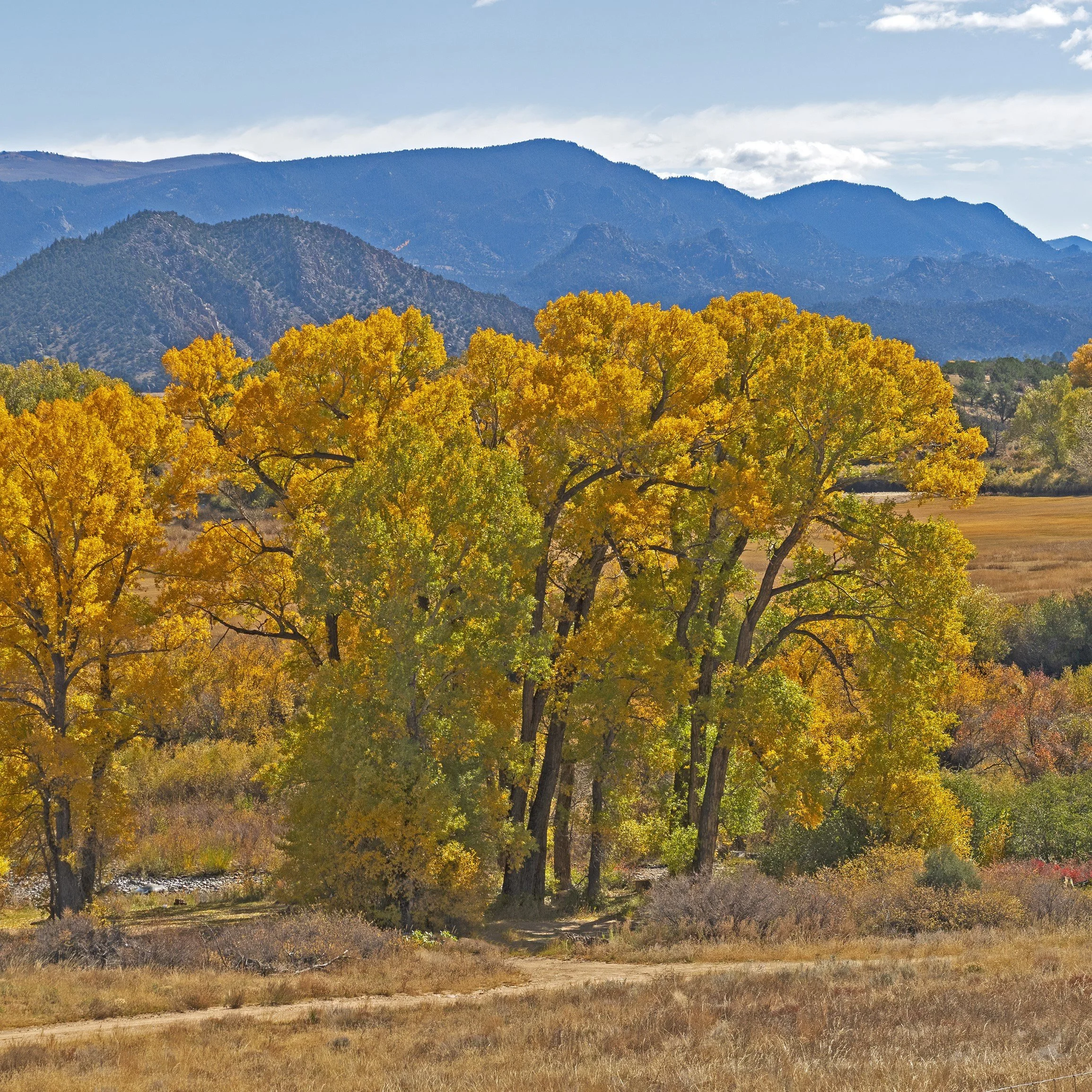
Populus deltoides
The Eastern Cottonwood is a fast-growing native hardwood tree that towers with grandeur, shade, and wind-whipping presence. Recognized for its shimmering, heart-shaped leaves and signature cotton-like seed tufts, this bare root variety is a favorite for large properties, riverbanks, and windbreaks.
Whether you're restoring habitat, establishing a privacy screen, or creating shade in a wide-open space, the Eastern Cottonwood is your go-to for rapid growth and natural impact.
Eastern Cottonwood
| Attribute | Details |
|---|---|
| Variety | Rooted |
| Botanical Name | Populus deltoides |
| Common Names | Eastern Cottonwood, Necklace Poplar |
| Mature Height | 70–100 feet |
| Mature Width | 50–70 feet |
| Growth Rate | Fast (5–8 feet per year) |
| Lifespan | 50–100 years |
| USDA Zones | 2–9 (extremely adaptable) |
| Sun Preference | ☀️ Full sun only |
| Soil Type | Moist, well-drained soils; tolerates sandy and clay soils |
| Soil pH | Neutral to slightly alkaline (6.5–8.0) |
| Water Needs | 💧 Moderate to high; thrives near water sources |
| Foliage Color | Bright green; turns yellow in fall |
| Flower/Seed Features | Produces cotton-like seeds in spring |
| Wildlife Attraction | 🐦 Birds, 🐿️ small mammals, 🐝 pollinators |
| Growth Habit | Tall, broad-canopied, pyramidal when young |
| Self-Pollinating? | No (dioecious – male and female trees separate) |
| Spacing | 30–50 feet apart minimum |
| Landscape Uses | Windbreaks, shade tree, streambanks, reforestation |
| Maintenance Level | Moderate to high (depending on placement and seed drop) |
Environmental Benefits
🌳 Rapid Carbon Capture – One of the fastest-growing shade trees in North America.
🏞️ Erosion Control Powerhouse – Ideal for stabilizing riverbanks and low-lying wet areas.
🦅 Wildlife Magnet – Provides nesting, cover, and food for countless birds and critters.
🌬️ Natural Windbreak – Broad canopy reduces wind and noise across open spaces.
Pros & Cons
| Pros | Cons |
|---|---|
| ⚡ Extremely fast-growing—ideal for quick shade or privacy | 💨 Weak wood; prone to breakage in high winds or storms |
| 🐦 Attracts diverse wildlife and supports native ecosystems | 🌱 Cotton seed fluff may be messy near homes or patios |
| 🌊 Tolerates wet or compacted soils; thrives near water bodies | 🪓 Shorter lifespan than many hardwood trees |
| ☀️ Hardy across nearly all U.S. zones (2–9) | 🧹 Requires maintenance due to leaf drop and surface roots |
| 🌾 Useful for large-scale land restoration or windbreaks | 🌳 Not ideal for small yards or near septic systems |
Planting & Care Guide
🪣 Soak Roots: Immerse in water 4–12 hours before planting
🕳️ Planting Depth: Dig hole 2× width of root spread; plant at crown level
🌱 Mulch: 2–3 inches to maintain moisture and reduce weeds
🚿 Watering: Keep consistently moist during establishment (1–2 years)
✂️ Pruning: Minimal; remove weak or crowded branches in dormant season
🌞 Placement: Best in large, open areas with room to spread and full sun exposure
The Eastern Cottonwood is a towering titan of speed and scale, perfect for farmers, restoration projects, or homeowners with big acreage. Its impressive growth and natural beauty make it a standout—but it’s not for small yards or tidy gardeners.
BLOOMS ALL SUMMER LONG - SHOP CRAPE MYRTLES
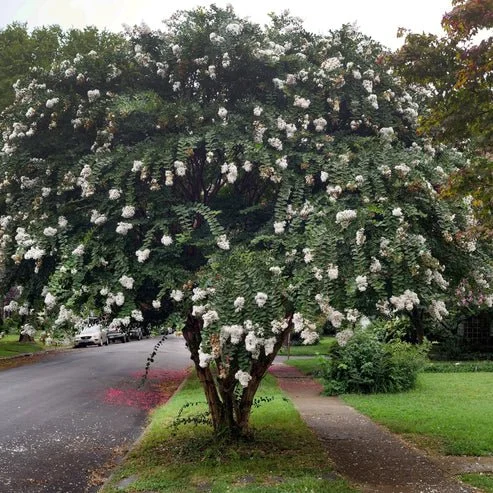
The Natchez Crape Myrtle Tree (Bare Root) is a fast-growing, highly ornamental tree known for its stunning white blooms, exfoliating cinnamon-colored bark, and lush green foliage that turns orange-red in fall. A low-maintenance, drought-tolerant, and disease-resistant variety, this crape myrtle is perfect for warm climates, thriving in urban and residential landscapes.
Ideal as a specimen tree, privacy screen, or street planting, the Natchez Crape Myrtle offers multi-season beauty, strong resistance to powdery mildew, and rapid growth, making it a top choice for gardeners and landscapers.
Natchez Crape Myrtle Tree (Bare Root) Overview
| Attribute | Details |
|---|---|
| Variety | Bare Root |
| Botanical Name | Lagerstroemia indica x fauriei ‘Natchez’ |
| Common Names | Natchez Crape Myrtle |
| Mature Height | 20-30 feet |
| Mature Width | 15-20 feet |
| Growth Rate | Fast (3-5 feet per year) |
| Lifespan | 50+ years |
| USDA Hardiness Zones | 6-10 |
| Sun Preference | Full sun (6+ hours of direct sunlight) |
| Soil Type | Well-drained, loamy, sandy, or clay soil |
| Soil pH | Slightly acidic to neutral (5.5-7.5) |
| Water Needs | Low to moderate; drought-tolerant once established |
| Flowering Season | Summer (June-September) |
| Flower Color | Pure white |
| Fall Foliage | Orange-red hues |
| Bark Appearance | Exfoliating cinnamon-brown bark |
| Wildlife Attraction | Bees, butterflies, hummingbirds |
| Growth Habit | Upright, vase-shaped canopy |
| Self-Pollinating? | Yes |
| Landscape Uses | Specimen tree, street tree, privacy screen, ornamental garden accent |
| Maintenance Level | Low |
Environmental Benefits
🌱 Drought-Tolerant & Low Maintenance – Requires minimal watering once established, ideal for water-wise landscapes.
🐝 Pollinator-Friendly – Attracts bees, butterflies, and hummingbirds, supporting biodiversity.
🌳 Soil Adaptability – Thrives in various soil types, from sandy to clay-rich environments.
🍂 Multi-Season Beauty – Offers summer flowers, striking fall foliage, and exfoliating bark for winter interest.
Pros & Cons
| Pros | Cons |
|---|---|
| Fast-growing and provides quick shade | Needs full sun for best flowering |
| Disease-resistant, particularly against powdery mildew | Requires occasional pruning to maintain shape |
| Drought-tolerant and thrives in heat | Flowers drop in late summer, requiring some cleanup |
| Beautiful peeling bark and fall color | Not ideal for cooler climates (zones below USDA 6) |
| Long bloom period with large white flowers | Can spread if not pruned properly |
Planting & Care Guide (Bare Root)
- Spacing: Plant 15-20 feet apart for best growth and air circulation
- Soaking: Soak bare root in water for 6-12 hours before planting
- Planting Depth: Dig a hole twice the width of the root ball, keeping roots level with soil surface
- Mulching: Apply a 2-3 inch layer of mulch to retain moisture and suppress weeds
- Pruning: Best pruned in late winter or early spring to remove dead wood and shape the canopy
- Fertilization: Apply a balanced fertilizer in early spring to encourage healthy growth
- Watering: Water regularly in the first year, then reduce as the tree becomes established
The Natchez Crape Myrtle Tree (Bare Root) is an exceptional choice for warm climates, offering stunning white blooms, rapid growth, and year-round ornamental interest. Whether planted for shade, privacy, or as a striking landscape focal point, this drought-tolerant, low-maintenance tree is a beautiful and reliable addition to any outdoor space!
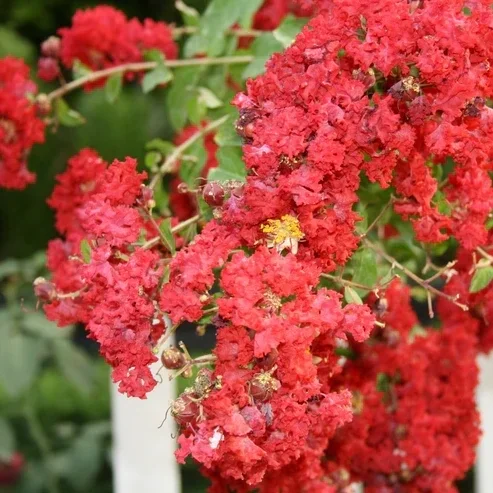
The Red Crape Myrtle Tree (Bare Root) is a fast-growing, highly ornamental tree prized for its brilliant red blooms, smooth exfoliating bark, and stunning fall foliage. This heat-loving, drought-tolerant, and low-maintenance variety thrives in warm climates, making it an excellent choice for landscaping, urban settings, and home gardens. With its long blooming season from summer to early fall, the Red Crape Myrtle provides multi-season beauty with minimal upkeep.
Red Crape Myrtle Tree (Bare Root) Overview
| Attribute | Details |
|---|---|
| Variety | Bare Root |
| Botanical Name | Lagerstroemia indica |
| Common Names | Red Crape Myrtle, Crepe Myrtle |
| Mature Height | 10-25 feet |
| Mature Width | 10-20 feet |
| Growth Rate | Fast (2-5 feet per year) |
| Lifespan | 50+ years |
| USDA Hardiness Zones | 6-10 |
| Sun Preference | Full sun (6+ hours of direct sunlight) |
| Soil Type | Well-drained, loamy, sandy, or clay soil |
| Soil pH | Slightly acidic to neutral (5.5-7.5) |
| Water Needs | Low to moderate; drought-tolerant once established |
| Flowering Season | Summer to early fall (June-September) |
| Flower Color | Bright red |
| Fall Foliage | Orange, red, and yellow hues |
| Bark Appearance | Smooth, peeling bark with shades of cinnamon and gray |
| Wildlife Attraction | Bees, butterflies, hummingbirds |
| Growth Habit | Multi-stemmed, vase-shaped canopy |
| Self-Pollinating? | Yes |
| Landscape Uses | Specimen tree, privacy screen, street tree, ornamental border |
| Maintenance Level | Low |
Environmental Benefits
🌱 Drought-Tolerant & Low Maintenance – Once established, it requires minimal watering, making it ideal for drought-prone regions.
🐝 Pollinator-Friendly – Attracts bees, butterflies, and hummingbirds, contributing to local biodiversity.
🌿 Air Quality & Soil Improvement – Helps reduce air pollution and prevent soil erosion.
🍂 Year-Round Beauty – Offers lush summer flowers, fiery fall foliage, and ornamental winter bark.
Pros & Cons
| Pros | Cons |
|---|---|
| Fast-growing and provides quick shade | Requires full sun for best flowering |
| Long bloom period with stunning red flowers | Flowers drop in late summer, requiring some cleanup |
| Disease-resistant and drought-tolerant | Requires occasional pruning to maintain shape |
| Attracts pollinators and supports biodiversity | Not ideal for colder climates (below USDA zone 6) |
| Exfoliating bark adds winter interest | Can spread if not pruned properly |
Planting & Care Guide (Bare Root)
- Spacing: Plant 10-20 feet apart for best growth and air circulation
- Soaking: Soak bare root in water for 6-12 hours before planting
- Planting Depth: Dig a hole twice the width of the root ball, keeping roots level with soil surface
- Mulching: Apply a 2-3 inch layer of mulch to retain moisture and suppress weeds
- Pruning: Best pruned in late winter or early spring to remove dead wood and shape the canopy
- Fertilization: Apply a balanced fertilizer in early spring to encourage healthy growth
- Watering: Water regularly in the first year, then reduce as the tree becomes established
The Red Crape Myrtle Tree (Bare Root) is a top choice for warm climates, offering brilliant red blooms, rapid growth, and year-round visual appeal. Whether planted for shade, privacy, or as a stunning focal point, this drought-tolerant, low-maintenance tree is a valuable and versatile addition to any landscape!
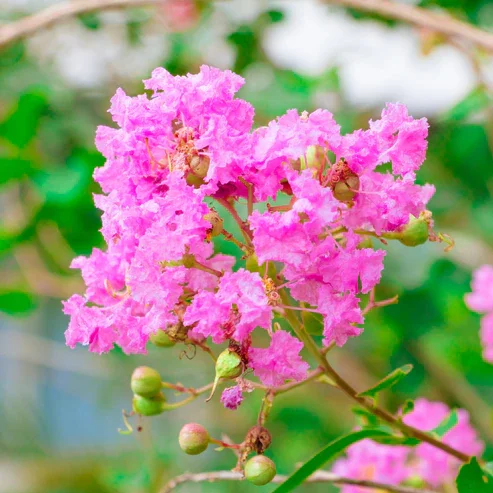
The Velour Crape Myrtle Tree (Bare Root) is a stunning, fast-growing ornamental tree, known for its rich burgundy foliage, vibrant magenta-red blooms, and exceptional heat tolerance. Unlike other crape myrtles, Velour stands out with its deep red flowers and unique dark leaves, adding multi-season beauty and bold color to any landscape. With long-lasting summer blooms, drought tolerance, and resistance to common diseases, this tree is perfect for gardens, urban spaces, and decorative borders.
Velour Crape Myrtle Tree (Bare Root) Overview
| Attribute | Details |
|---|---|
| Variety | Bare Root |
| Botanical Name | Lagerstroemia indica ‘Velour’ |
| Common Names | Velour Crape Myrtle, Crepe Myrtle |
| Mature Height | 8-12 feet |
| Mature Width | 6-10 feet |
| Growth Rate | Fast (2-3 feet per year) |
| Lifespan | 50+ years |
| USDA Hardiness Zones | 6-10 |
| Sun Preference | Full sun (6+ hours of direct sunlight) |
| Soil Type | Well-drained, loamy, sandy, or clay soil |
| Soil pH | Slightly acidic to neutral (5.5-7.5) |
| Water Needs | Low to moderate; drought-tolerant once established |
| Flowering Season | Summer to early fall (June-September) |
| Flower Color | Magenta-red |
| Foliage Color | Deep burgundy in spring, maturing to dark green |
| Fall Foliage | Orange and red hues |
| Bark Appearance | Smooth, exfoliating bark with gray and cinnamon tones |
| Wildlife Attraction | Bees, butterflies, hummingbirds |
| Growth Habit | Compact, rounded canopy |
| Self-Pollinating? | Yes |
| Landscape Uses | Specimen tree, hedges, borders, urban landscaping, container planting |
| Maintenance Level | Low |
Environmental Benefits
🌱 Drought-Tolerant & Low Maintenance – Thrives with minimal watering, making it ideal for water-wise landscaping.
🐝 Pollinator-Friendly – Attracts bees, butterflies, and hummingbirds, supporting local biodiversity.
🌳 Air Quality & Soil Stability – Helps improve air quality and reduce soil erosion.
🍂 Multi-Season Beauty – Features lush summer flowers, bold burgundy spring foliage, fiery fall colors, and striking winter bark.
Pros & Cons
| Pros | Cons |
|---|---|
| Compact and manageable size—great for small spaces | Requires full sun for best flowering |
| Deep burgundy foliage provides unique contrast | Needs occasional pruning to maintain shape |
| Long bloom period with vibrant magenta-red flowers | Flowers drop in late summer, requiring some cleanup |
| Disease-resistant and highly drought-tolerant | Not ideal for climates colder than USDA zone 6 |
| Attracts pollinators and supports biodiversity | May require winter protection in borderline hardiness zones |
Planting & Care Guide (Bare Root)
- Spacing: Plant 6-10 feet apart for proper growth and air circulation
- Soaking: Soak bare root in water for 6-12 hours before planting
- Planting Depth: Dig a hole twice the width of the root ball, keeping roots level with soil surface
- Mulching: Apply a 2-3 inch layer of mulch to retain moisture and suppress weeds
- Pruning: Best pruned in late winter or early spring to remove dead wood and shape the canopy
- Fertilization: Apply a balanced fertilizer in early spring to promote healthy growth
- Watering: Water regularly in the first year, then reduce as the tree becomes established
The Velour Crape Myrtle Tree (Bare Root) is a top choice for warm climates, offering bold, year-round color, rapid growth, and low-maintenance beauty. Whether planted as a standalone ornamental, a vibrant hedge, or an accent in urban landscaping, this drought-resistant and disease-tolerant tree is an eye-catching and reliable addition to any garden!
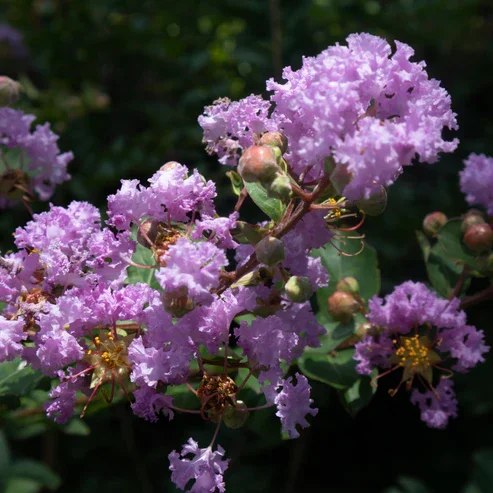
The Purple Crape Myrtle Tree (Bare Root) is a fast-growing, highly ornamental flowering tree, prized for its stunning clusters of vibrant purple blooms, striking fall foliage, and beautiful exfoliating bark. Known for its heat tolerance, drought resistance, and adaptability to various soils, this tree is a perfect choice for landscapes, gardens, and urban settings. With its long blooming season from summer to early fall, the Purple Crape Myrtle adds multi-season beauty with minimal maintenance.
Purple Crape Myrtle Tree (Bare Root) Overview
| Attribute | Details |
|---|---|
| Variety | Bare Root |
| Botanical Name | Lagerstroemia indica |
| Common Names | Purple Crape Myrtle, Crepe Myrtle |
| Mature Height | 10-25 feet |
| Mature Width | 10-20 feet |
| Growth Rate | Fast (2-5 feet per year) |
| Lifespan | 50+ years |
| USDA Hardiness Zones | 6-10 |
| Sun Preference | Full sun (6+ hours of direct sunlight) |
| Soil Type | Well-drained, loamy, sandy, or clay soil |
| Soil pH | Slightly acidic to neutral (5.5-7.5) |
| Water Needs | Low to moderate; drought-tolerant once established |
| Flowering Season | Summer to early fall (June-September) |
| Flower Color | Rich purple |
| Fall Foliage | Orange, red, and yellow hues |
| Bark Appearance | Smooth, exfoliating bark with shades of tan and cinnamon |
| Wildlife Attraction | Bees, butterflies, hummingbirds |
| Growth Habit | Multi-stemmed, vase-shaped canopy |
| Self-Pollinating? | Yes |
| Landscape Uses | Specimen tree, privacy screen, street tree, ornamental border |
| Maintenance Level | Low |
Environmental Benefits
🌱 Drought-Tolerant & Low Maintenance – Requires minimal watering once established, making it ideal for xeriscaping and water-wise landscapes.
🐝 Pollinator-Friendly – Attracts bees, butterflies, and hummingbirds, helping support local ecosystems.
🌿 Air Quality & Erosion Control – Improves air quality while helping prevent soil erosion in urban and rural settings.
🍂 Multi-Season Interest – Features lush summer flowers, colorful fall foliage, and ornamental bark in winter.
Pros & Cons
| Pros | Cons |
|---|---|
| Fast-growing and provides quick shade | Needs full sun for best flowering |
| Long bloom period with vibrant purple flowers | Flowers drop in late summer, requiring some cleanup |
| Disease-resistant and drought-tolerant | Requires occasional pruning to maintain shape |
| Attracts pollinators and supports biodiversity | Not ideal for colder zones (below USDA 6) |
| Stunning bark adds winter interest | Can spread if not pruned properly |
Planting & Care Guide (Bare Root)
- Spacing: Plant 10-20 feet apart for best growth and air circulation
- Soaking: Soak bare root in water for 6-12 hours before planting
- Planting Depth: Dig a hole twice the width of the root ball, keeping roots level with soil surface
- Mulching: Apply a 2-3 inch layer of mulch to retain moisture and suppress weeds
- Pruning: Best pruned in late winter or early spring to remove dead wood and shape the canopy
- Fertilization: Apply a balanced fertilizer in early spring to encourage healthy growth
- Watering: Water regularly in the first year, then reduce as the tree becomes established
The Purple Crape Myrtle Tree (Bare Root) is an excellent choice for warm climates, offering stunning purple blooms, rapid growth, and year-round beauty. Whether planted for shade, privacy, or as a striking landscape focal point, this drought-tolerant, low-maintenance tree is a versatile and reliable addition to any outdoor space!
THE SWEET SMELL OF NECTAR
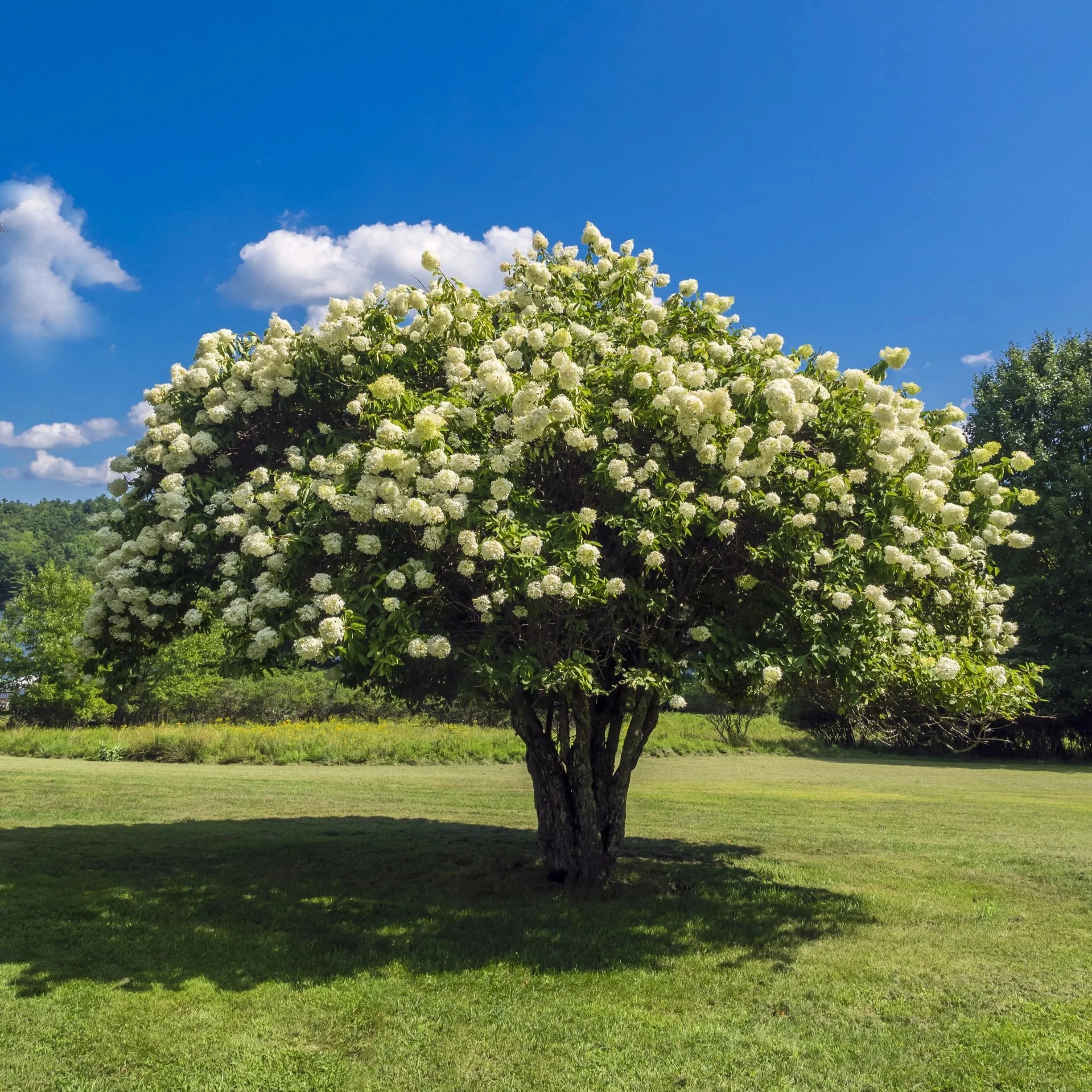
(Hydrangea paniculata ‘Grandiflora’)
PG Hydrangea Shrub
The PG Hydrangea Shrub is a classic, cold-hardy flowering shrub prized for its massive cone-shaped blooms that transition from creamy white to soft pink as the season progresses. Blooming reliably on new wood, this vigorous and adaptable hydrangea delivers dependable summer color even after harsh winters.
Perfect for statement plantings, hedges, or cottage-style gardens, PG Hydrangea provides dramatic flowers, strong structure, and long-lasting seasonal beauty.
PG Hydrangea Shrub Overview
| Attribute | Details |
|---|---|
| 🌿 Botanical Name | Hydrangea paniculata ‘Grandiflora’ |
| 🏷️ Common Names | PG Hydrangea, PeeGee Hydrangea |
| 🌳 Mature Height | 8–15 feet |
| 🌐 Mature Width | 6–12 feet |
| 📈 Growth Rate | Moderate to fast (12–24 inches per year) |
| ⏳ Lifespan | 30–40+ years |
| 🧊 USDA Zones | 3–8 |
| ❄️ Chill Hours | 600–800 hours |
| ☀️ Sun Preference | Full sun to partial shade (best blooms in full sun) |
| 🧱 Soil Type | Well-drained loam; adaptable to clay or sandy soils |
| ⚖️ Soil pH | Slightly acidic to neutral (5.5–7.0) |
| 💧 Water Needs | Moderate; prefers consistent moisture |
| 🌸 Flower Color | Creamy white aging to blush pink; mid-to-late summer |
| 🍒 Fruit Type | None (ornamental blooms only) |
| 🐝 Pollinators | Attracts bees and butterflies |
| 🌿 Growth Habit | Upright, vase-shaped, multi-stemmed shrub |
| ↔️ Spacing | 6–10 ft apart |
| 🏡 Landscape Uses | Privacy screens, specimen plantings, cut flower gardens |
| 🧹 Maintenance Level | Low |
Environmental Benefits
🌸 Provides nectar for pollinators during peak summer bloom
🌿 Adds dense foliage that offers shelter for birds
🌧️ Helps improve soil structure when mulched and maintained
🏡 Supports structured, layered landscaping for habitat diversity
Pros & Cons
| ✅ Pros | ⚠️ Cons |
|---|---|
| 🌸 Huge, show-stopping flower panicles | 🌞 Blooms can flop in too much shade |
| ❄️ Extremely cold hardy | 💧 Needs steady moisture in hot climates |
| ✂️ Blooms on new wood (safe to prune in late winter) | 🌳 Can outgrow small spaces if not managed |
| 🌿 Adaptable to many soil types | 🌬️ Large blooms may droop after heavy rain |
| 💐 Excellent for fresh and dried flower arrangements | 🍂 No winter evergreen interest |
Planting & Care Guide
🛁 Water thoroughly before and after planting
🕳️ Dig a hole twice as wide as the root ball; plant at soil level
🌾 Apply 2–3 inches of mulch to retain moisture and suppress weeds
💦 Water deeply during first growing season
✂️ Prune in late winter or early spring to encourage strong new blooms
🧪 Fertilize lightly in spring with balanced shrub fertilizer or compost
The PG Hydrangea Shrub is a timeless landscape favorite known for its massive blooms, dependable flowering, and impressive cold hardiness. Whether used as a flowering hedge, focal point, or cottage garden staple, this hydrangea delivers bold summer beauty with minimal effort.
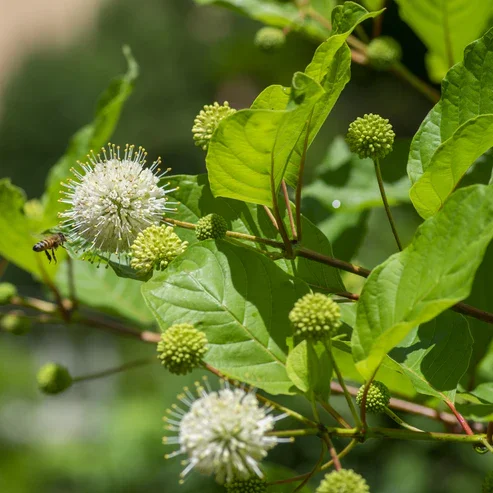
The Buttonbush Shrub is a hardy, native wetland shrub known for its unique spherical white flowers, glossy green foliage, and exceptional wildlife benefits. This fast-growing, water-loving shrub thrives in wet soils, making it a perfect choice for rain gardens, pond edges, and wildlife habitats. With its ability to attract pollinators, birds, and beneficial insects, the Buttonbush is an excellent addition to eco-friendly and native landscapes.
Buttonbush Shrub
| Attribute | Details |
|---|---|
| Variety | Rooted |
| Botanical Name | Cephalanthus occidentalis |
| Common Names | Buttonbush, Common Buttonbush, Honey Bells, Button Willow |
| Mature Height | 6-12 feet |
| Mature Width | 4-8 feet |
| Growth Rate | Fast (1-2 feet per year) |
| Lifespan | 50+ years |
| USDA Hardiness Zones | 4-10 |
| Sun Preference | Full sun to partial shade |
| Soil Type | Moist to wet, loamy, sandy, or clay soil |
| Soil pH | Slightly acidic to neutral (5.5-7.5) |
| Water Needs | High; thrives in wet or periodically flooded areas |
| Flowering Season | Summer (June-August) |
| Flower Color | White, fragrant, spherical blooms |
| Fruit | Small, nut-like seed clusters |
| Fall Foliage | Yellow-green |
| Wildlife Attraction | Bees, butterflies, hummingbirds, songbirds, waterfowl |
| Growth Habit | Multi-stemmed, rounded |
| Self-Pollinating? | Yes |
| Landscape Uses | Rain gardens, pond edges, wetland restoration, pollinator gardens, wildlife habitats |
| Maintenance Level | Low |
Environmental Benefits
🌱 Erosion Control & Soil Stabilization – Thrives in wet soils and prevents erosion along pond banks, streams, and wetlands.
🐝 Pollinator & Wildlife Magnet – Produces fragrant, nectar-rich flowers that attract bees, butterflies, and hummingbirds, while birds and waterfowl feed on its seeds.
🌳 Eco-Friendly & Native – Naturally supports local ecosystems and is a vital plant for wetland restoration and conservation projects.
💧 Thrives in Wet Areas – One of the best shrubs for rain gardens, flood-prone areas, and poorly drained soils.
Pros & Cons
| Pros | Cons |
|---|---|
| Fast-growing and easy to establish | Requires consistent moisture and does not tolerate dry soils well |
| Attracts pollinators and beneficial wildlife | Can grow aggressively in wetland environments |
| Unique globe-like flowers provide summer interest | May require occasional pruning to maintain shape |
| Excellent for erosion control in wet areas | Foliage may turn yellow-green in fall instead of bright colors |
| Adaptable to sun and partial shade | Not suitable for dry, drought-prone landscapes |
Planting & Care Guide
🌊 Soak Roots: Soak for 6–12 hours before planting
🌱 Planting Depth: Dig hole 2× wider than roots; plant crown level with soil surface
🌿 Mulch: Apply 2–3 inches to retain moisture and reduce weeds
💧 Watering: Keep consistently moist, especially during first two growing seasons
✂️ Pruning: Shape in late winter or early spring for structure and fullness
🌸 Fertilizer: Not typically needed in rich, moist soils
The Buttonbush Shrub is an outstanding choice for eco-conscious gardeners, wetland restorations, and wildlife-friendly landscapes. Whether used to stabilize pond edges, attract pollinators, or create a natural rain garden, this fast-growing, long-lived shrub provides year-round ecological benefits with minimal maintenance.
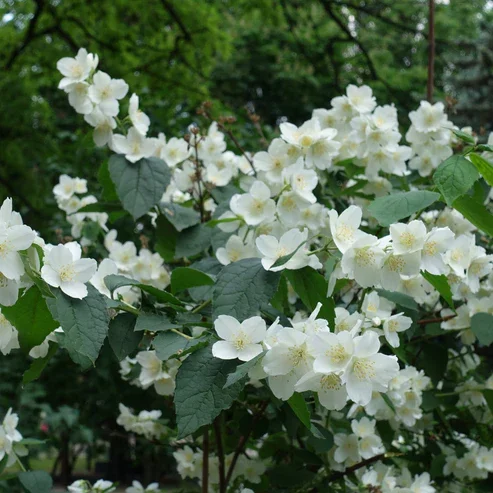
The Minnesota Mockorange is a cold-hardy, fragrant-flowered deciduous shrub that thrives even in the chilliest northern gardens. With its elegant double white blossoms, intoxicating citrus scent, and rugged adaptability, this bare root beauty delivers spring-to-early-summer magic with almost no maintenance.
Developed by the University of Minnesota for extreme cold climates, this variety was bred to bloom beautifully where others can’t. Its upright, arching form makes it ideal for hedges, borders, and foundation plantings in Zones 3 and up.
Minnesota Mockorange (Bare Root) Overview
| Attribute | Details |
|---|---|
| Variety | Bare Root |
| Botanical Name | Philadelphus lewisii ‘Minnesota Snowflake’ |
| Common Names | Minnesota Mockorange, Northern Mockorange |
| Mature Height | 6–8 feet |
| Mature Width | 5–7 feet |
| Growth Rate | Moderate (1–2 feet per year) |
| Lifespan | 20–40 years |
| USDA Zones | 3–7 (extremely cold-hardy) |
| Sun Preference | Full sun to partial shade (more blooms in full sun) |
| Soil Type | Well-drained loam, sandy, or clay soils |
| Soil pH | Slightly acidic to neutral (6.0–7.5) |
| Water Needs | Moderate; appreciates consistent moisture during bloom |
| Foliage Color | Medium green |
| Flower Color | Pure white double blooms |
| Bloom Time | Late spring to early summer |
| Fragrance | 🍊 Sweet citrusy scent, like orange blossoms |
| Wildlife Attraction | 🐝 Bees, 🦋 butterflies, and other pollinators |
| Growth Habit | Upright, arching, multi-stemmed |
| Self-Pollinating? | Yes |
| Spacing | 4–6 feet for massing or hedges; 6–8 feet for standalone use |
| Landscape Uses | Hedges, cottage gardens, walkways, foundation plantings |
| Maintenance Level | Low to moderate |
Environmental Benefits
🍊 Fragrant Blooms for Pollinators – Lush citrus-scented flowers attract bees and butterflies in droves.
❄️ Cold-Hardy Champ – Bred to survive and thrive in frigid climates where other shrubs fail.
🏡 Curb Appeal Hero – Classic form and crisp white blooms boost seasonal landscape beauty.
🌾 Soil Adaptability – Grows well in a wide range of soil types, including poor or compacted areas.
Pros & Cons
| Pros | Cons |
|---|---|
| ❄️ Exceptionally cold-hardy down to Zone 3 | 🌱 May sucker at the base without pruning |
| 🌼 Fragrant, double white flowers with classic appeal | ⏳ Short bloom window (2–3 weeks) |
| 🐝 Pollinator-friendly and non-toxic to pets | ✂️ Needs light pruning after flowering to maintain shape |
| 💧 Tolerates most soils and moderate drought | 🍂 Deciduous; bare branches in winter months |
| 🏡 Works well in both formal and informal landscape styles | 🌿 May grow leggy without full sun |
Planting & Care Guide (Bare Root)
💧 Soak Roots: Submerge in water for 6–12 hours before planting
🕳️ Planting Depth: Dig hole 2× wider than root system; keep crown at ground level
🍃 Mulch: 2–3 inches of mulch helps retain moisture and suppress weeds
🚿 Watering: Water weekly during first season; reduce once well-established
✂️ Pruning: Prune after bloom to shape and remove any suckers
🌱 Fertilizer: Apply balanced fertilizer in early spring if needed
The Minnesota Mockorange (Bare Root) is the perfect blend of northern toughness and sweet southern fragrance. Whether you're crafting a cold-hardy cottage garden or adding elegance to a tough spot in your yard, this classic shrub will bloom with beauty—and boldness—year after year.
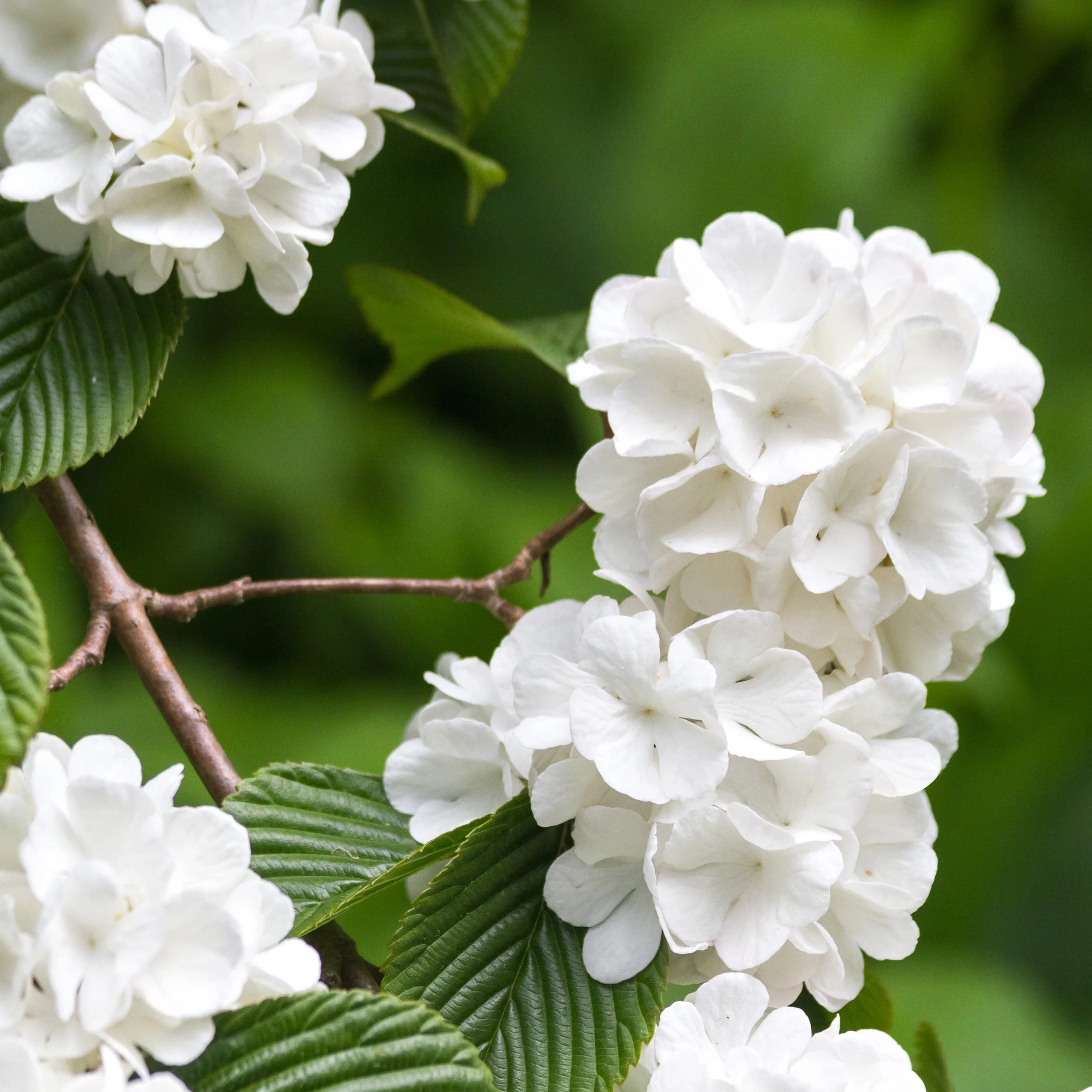
The Japanese Snowball Bush is a stunning deciduous shrub admired for its large, globe-shaped white flower clusters that resemble hydrangeas in bloom. These “snowballs” appear in spring, followed by lush green foliage that turns a rich burgundy-red in fall. With its elegant, tiered branching and seasonal beauty, this ornamental favorite adds charm and structure to borders, hedges, and foundation plantings.
As a bare root variety, it's cost-effective, easy to plant, and ideal for early spring gardening. With moderate growth, wide adaptability, and visual appeal across multiple seasons, the Japanese Snowball is a versatile addition to any landscape.
Japanese Snowball Bush (Bare Root) Overview
| Attribute | Details |
|---|---|
| Variety | Bare Root |
| Botanical Name | Viburnum plicatum |
| Common Names | Japanese Snowball, Doublefile Viburnum |
| Mature Height | 6–10 feet |
| Mature Width | 8–12 feet |
| Growth Rate | Moderate (1–2 feet per year) |
| Lifespan | 30–40 years |
| USDA Zones | 5–8 |
| Sun Preference | Full sun to partial shade (best blooms in full sun) |
| Soil Type | Well-drained loamy, sandy, or clay soils |
| Soil pH | Slightly acidic to neutral (5.5–7.0) |
| Water Needs | Moderate; prefers consistent moisture |
| Foliage Color | Green in spring/summer; burgundy-red in fall |
| Flower Color | White, globe-shaped blooms |
| Wildlife Attraction | Pollinators, birds (for cover), butterflies |
| Growth Habit | Multi-stemmed, spreading, layered (horizontal branching) |
| Self-Pollinating? | Yes |
| Spacing | 6–10 feet apart for mass plantings or hedges |
| Landscape Uses | Borders, foundation plantings, specimen shrub, flowering hedge |
| Maintenance Level | Low to moderate |
Environmental Benefits
🌼 Spring Showers of Blooms – Massive snowball-shaped flowers brighten up any garden in late spring.
🦋 Pollinator Paradise – A magnet for bees, butterflies, and beneficial insects.
🏡 Erosion Control Hero – Spreads wide and roots deep, helping to stabilize loose soils.
🌳 Ornamental Architecture – Its unique horizontal, tiered branching adds structure and elegance to landscapes.
Pros & Cons
| Pros | Cons |
|---|---|
| Striking white blooms that cover the shrub in spring | Requires consistent moisture during dry spells |
| Multi-season interest with foliage, flowers, and form | Slower to establish than some viburnums |
| Unique horizontal branching for architectural appeal | May require light pruning to maintain shape or size |
| Attracts pollinators and adds ecological diversity | Large mature size may overwhelm small planting spaces |
| Thrives in a wide range of soils and climates | Fall color may vary depending on region and sun exposure |
Planting & Care Guide (Bare Root)
🌊 Soak Roots: Soak for 6–12 hours before planting
🕳️ Planting Depth: Dig a hole twice as wide as the roots; keep crown level with soil surface
🍂 Mulch: Apply 2–3 inches of mulch to maintain moisture and suppress weeds
💧 Watering: Water weekly during the first growing season, especially in dry spells
✂️ Pruning: Light shaping in late winter or after flowering; avoid heavy pruning
🌱 Fertilizer: Use a balanced fertilizer in early spring if needed
The Japanese Snowball Bush (Bare Root) is a beautiful, multi-season ornamental that brings structure and grace to your garden. From its iconic spring snowball blooms to its fall foliage glow, this adaptable and showy shrub is ideal for both beginner gardeners and seasoned landscapers alike.